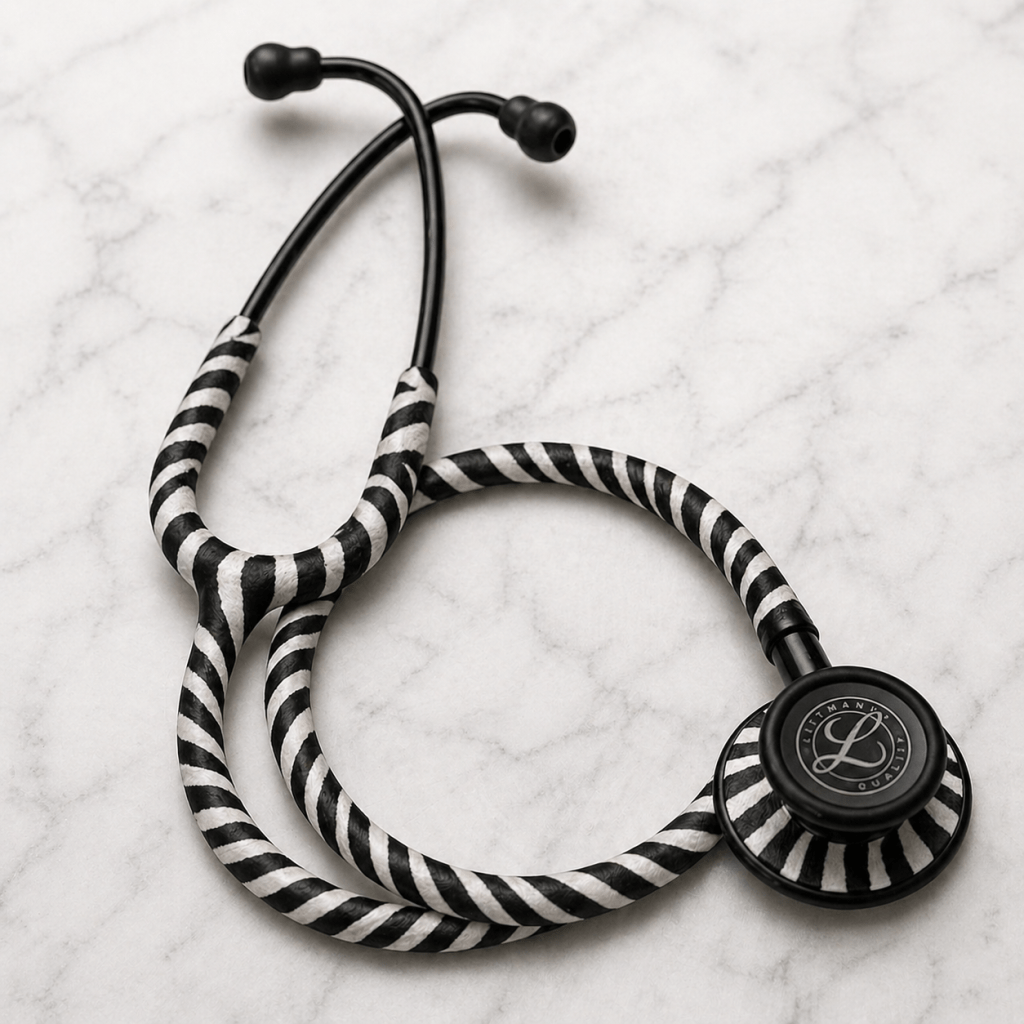
You sit on the paper crinkling table,
wrapped in that thin blue gown
that never quite closes—
like the conversation.
Your symptoms arrive with you,
stacked neatly in a folder,
timelines, patterns, proof—
but they dissolve in the air
between your mouth and their pen.
“It’s probably stress.”
“It’s just anxiety.”
“Your labs look normal.”
Normal.
A word that lands like a door
shutting on your ribs.
You learn quickly—
pain needs to be translated
into something palatable,
something measurable,
something that fits
inside a checkbox.
But your body speaks in storms,
in static,
in a language that doesn’t print cleanly
on lab results.
So they squint at you
like a puzzle missing pieces,
and decide
you must be the mistake.
You begin to doubt yourself—
second-guess the signals,
turn the volume down
on your own knowing.
Maybe it is all in your head.
Maybe you are too much,
too sensitive,
too something.
But the pain does not care
about their disbelief.
It burns anyway.
It blooms anyway.
It keeps its own record
beneath your skin.
And slowly—
quietly—
you gather yourself back.
You learn the weight of your voice.
How to steady it
even when your hands shake.
How to say:
“No, this is not normal.”
“No, I am not imagining this.”
“No, please listen.”
Advocacy is not loud at first.
It is a whisper
you choose to believe.
It is bringing notes.
It is asking questions
that make the room uncomfortable.
It is refusing to shrink
just because they cannot see
what is hurting you.
You become fluent
in persistence.
You become
the translator
your body needed all along.
And one day—
you realize:
You were never the unreliable narrator.
You were the evidence.


Leave a Reply