
- Making Peace With Your Body When You Live With Chronic Illness and Chronic Pain

When you live with chronic illness and chronic pain, it is easy to begin seeing your body as the enemy.
After all, your body is where the pain lives.
It is the reason plans get canceled. The reason you sometimes have to stay in bed while the rest of the world keeps moving. The reason ordinary things can require extraordinary amounts of energy.
It is the body that says no when your heart is desperately saying yes.
And after enough disappointments, it can begin to feel like you are living in a constant battle with yourself.
You push.
Your body pushes back.
You become angry with it.
You blame it.
You beg it to cooperate.
You wonder why it cannot simply do what everyone else’s bodies seem able to do.
And somewhere along the way, you may begin to believe that making peace with your body is impossible.
But maybe peace doesn’t require loving everything about your body.
Maybe it begins with deciding that you don’t want to spend the rest of your life at war with it.
When Your Body Feels Like It Betrayed You
Chronic illness can create a complicated relationship with your own body.
There may have been a time when you trusted it without thinking about it. You made plans weeks in advance. You woke up and simply got out of bed. You went places without calculating how much energy they would require or wondering how much pain you would be in afterward.
Then illness changed the rules.
Suddenly, your body became unpredictable.
One day you can do something.
The next day you can’t.
Sometimes you carefully pace yourself and still end up in a flare. Sometimes you do everything “right” and your symptoms get worse anyway.
That unpredictability can make trust incredibly difficult.
It can feel like betrayal.
But one of the most important shifts I have tried to make is reminding myself:
My body isn’t betraying me. My body is struggling.
It isn’t deliberately ruining my plans.
It isn’t trying to keep me from the people I love.
It isn’t punishing me.
My body is doing the best it can under circumstances neither of us chose.
That doesn’t magically make the pain disappear.
But it changes the conversation.
Instead of asking,
“Why are you doing this to me?”
I can sometimes ask,
“What do you need from me right now?”
You Are Allowed to Grieve Your Old Body
Making peace with your body does not mean pretending you haven’t lost anything.
There is grief in chronic illness.
Real grief.
You may grieve the body that could walk farther, stay out later, work longer, travel more easily, or recover faster.
You may grieve your independence.
You may grieve spontaneity.
You may grieve plans, careers, relationships, hobbies, milestones, or dreams that illness changed.
You may even look at an old photograph and ache for the person who existed before everything became so difficult.
Let yourself grieve.
You do not have to turn every loss into gratitude.
You do not have to find a silver lining in every painful experience.
And you do not have to love chronic illness in order to accept that it is part of your life.
You can miss the body you had while learning how to care for the body you have.
Both things can be true.
Acceptance Is Not Giving Up
For a long time, the word acceptance can sound suspiciously like surrender.
If I accept my limitations, am I giving up?
If I stop pushing myself, am I letting illness win?
If I acknowledge that something may not be possible for me right now, does that mean I’ve stopped hoping?
No.
Acceptance is not hopelessness.
Acceptance is acknowledging what is true today so you can care for yourself accordingly.
You can accept your current limitations while still hoping for improvement.
You can rest while still fighting for better treatment.
You can use accommodations while still working toward greater independence.
You can grieve while still believing that meaningful days are ahead of you.
Acceptance isn’t waving a white flag on your life. It is waving a white flag in the war against yourself.
Stop Measuring Your Body Against Its Healthiest Days
One of the cruelest things we can do to ourselves is constantly compare today’s body with yesterday’s—or with the body we had years ago.
“I used to be able to do this.”
“I should be able to handle more.”
“Yesterday I felt better. Why can’t I do it today?”
But chronic illness rarely moves in a straight line.
Your capacity changes.
Some days your drawer contains several spoons.
Some days there is only one.
And sometimes it feels completely empty.
Your worth does not change with the number of spoons you have available.
A low-energy day is not a moral failure.
A flare is not evidence that you didn’t try hard enough.
Your body does not have to perform at its best every day to deserve kindness.
Replace Punishment With Curiosity
When your body stops cooperating, notice how you speak to it.
“Come on.”
“Why can’t you just do this?”
“I’m so useless.”
“I hate my body.”
Those thoughts may be understandable, especially when you are exhausted and hurting.
But imagine speaking to someone you love who was struggling in the same way.
Would you call them lazy?
Would you tell them they were a disappointment because they needed to rest?
Would you demand that they keep going while they were in terrible pain?
Probably not.
Try offering yourself the same compassion.
Instead of:
“Why can’t my body do this?”
Try:
“What is making this difficult today?”
Instead of:
“I should push through.”
Try:
“What will pushing through cost me tomorrow?”
Instead of:
“My body failed me.”
Try:
“My body reached its limit.”
Curiosity creates room for compassion.
Learn Your Body’s Language
Making peace with your body also means learning how to listen to it.
Your body may whisper before it screams.
The first signs of a flare.
The heaviness behind your eyes.
The increase in pain.
The dizziness.
The trembling.
The exhaustion that feels different from ordinary tiredness.
The moment when you realize you are borrowing energy from tomorrow.
Listening early can sometimes mean stopping sooner than you want.
It might mean leaving an event before everyone else.
Canceling something you desperately wanted to attend.
Using an aid.
Asking someone for help.
Going back to bed.
Those choices can feel like illness winning.
But they can also be acts of partnership with your body.
You aren’t surrendering to it.
You’re listening to it.
Forgive Your Body
This may be the hardest part.
Forgive your body for changing.
Forgive it for needing more than it used to.
Forgive it for the appointments, medications, mobility aids, canceled plans, sleepless nights, and days spent beneath the blankets.
Forgive it for being unpredictable.
Forgive it for not becoming the body you thought you would have.
And perhaps, eventually, forgive yourself too.
For the times you pushed it too hard.
For the times you hated it.
For the times you looked in the mirror and wished you could trade it for another one.
You were hurting.
You were grieving.
You were trying to survive something incredibly difficult.
Peace does not require erasing that history.
It simply means deciding that the next chapter can be gentler.
Your Body Is Still Your Home
Your body may be painful.
It may be complicated.
It may be scarred, exhausted, fragile, unpredictable, or held together some days by medication, braces, tape, determination, hope, and what feels like your very last spoon.
But it is still the place where you experience everything you love.
It is the body that feels someone’s arms around you.
The body that laughs.
The body that hears your favorite song.
The body that feels sunshine through a window.
The body that lets you write, create, speak, sing, advocate, connect, and love.
Your body is not only the place where your pain lives.
It is also the place where you live.
And maybe making peace with it isn’t about looking in the mirror one morning and suddenly loving everything you see.
Maybe it happens quietly.
When you rest without apologizing.
When you stop before you’ve completely emptied the silverware drawer.
When you ask for help.
When you choose comfort.
When you stop calling yourself lazy.
When you place a hand over the part of yourself that hurts instead of wishing it away.
When you begin saying:
“I know you’re struggling.
I know you’re tired.
I know this isn’t the life either of us imagined.
But I’m going to stop fighting you.
We’re on the same side.
And whatever comes next, we’ll face it together.”
Perhaps that is what peace looks like when you live with chronic illness.
Not loving the pain.
Not pretending everything is okay.
Not giving up hope for better days.
Just slowly learning that your body was never the enemy.
It was hurting alongside you all along.
- The Broken Doll

I feel like a toy
that has been loved too hard
and lived too long.A doll with loose joints,
cracked seams,
and limbs that don’t always stay
where they’re supposed to.Every morning
I pick myself up
and check what is broken today.A shoulder slipping loose.
A spine protesting.
A body aching
from simply existing.So I patch myself together.
Tape around the places
that won’t hold.
Glue in the cracks.
Stitches across the tears.Medication.
Braces.
Heating pads.
Rest.Whatever keeps the pieces
from falling apart.Sometimes I imagine
setting myself on a repair-shop counter
and saying,Please fix me.
Tighten the screws.
Replace the damaged parts.
Make me work
the way I was supposed to.But there is no repair shop
for a body like mine.No box of spare pieces.
No instruction manual.
No magical pair of hands
that can make me new again.So I have learned
a different kind of repair.I patch the cracks with patience.
Hold the loose pieces with compassion.
Wrap the aching places in gentleness.And when I cannot stand,
I let myself lie still
without calling myself useless.Because broken toys
are often thrown away.But I am not a toy.
I am a person
living inside a body
that requires constant mending.And maybe strength
isn’t pretending
I am unbreakable.Maybe strength
is waking up scattered
and gathering my pieces anyway.Holding them carefully.
Tenderly.
And whispering,
You are still here.
Not perfect.
Not fixed.
Not untouched.But still worthy
of being held. - When Chronic Illness Makes Your World Smaller

Coping With Loneliness and Missing Out
One of the hardest parts of chronic illness isn’t always the pain.
Sometimes, it’s the empty space around it.
It’s lying in bed while people you love are together somewhere else. It’s opening social media and seeing pictures from something you desperately wanted to attend. It’s canceling plans you spent days looking forward to because your body changed the rules at the last minute.
It’s hearing, “We missed you!” and wanting to say:
I missed me, too.
Because when chronic illness repeatedly takes you away from your life, you aren’t only missing events.
You’re missing connection.
You’re missing belonging.
You’re missing the ordinary experience of being part of the world.
And that can become incredibly lonely.
Let Yourself Admit That It Hurts
You don’t have to immediately turn disappointment into gratitude.
You are allowed to be sad that you missed the birthday, wedding, dinner, vacation, concert, or ordinary afternoon with people you love.
You can understand why your body needed rest and still hate that you had to stay home.
Both can be true.
Sometimes coping begins with simply admitting:
I really wanted to be there, and I’m heartbroken that I couldn’t be.
You don’t have to make the loss smaller just because other people may not understand how big it feels.
Ask for Connection That Works With the Body You Have Today
Connection doesn’t always have to mean leaving the house.
When you’re struggling, consider asking someone to meet you where you are.
Maybe that means a ten-minute phone call from bed. A friend sitting quietly beside you. Watching the same movie while texting each other. A video call from an event you couldn’t attend. Someone bringing dinner over without expecting you to entertain them.
Sometimes we avoid reaching out because we think, I’m no fun right now.
But connection doesn’t require you to perform wellness.
You are still worthy of someone’s company when you’re exhausted, hurting, quiet, or lying underneath a pile of blankets.
Tell People What You Actually Need
The people who love us may not always know how to help.
They may think they’re protecting us by not inviting us because we’ve had to decline so many times.
But eventually, not being asked can hurt even more than having to say no.
Try telling the people closest to you:
“Please keep inviting me, even if I can’t come. Being included still matters to me.”
You can also be specific about what would help during a flare:
“I don’t need advice. I’d just really like some company.”
“Could you check in on me this week?”
“I don’t have much energy to talk, but I’d love it if you sat with me for a little while.”
People cannot always remove the loneliness, but giving them a doorway into your world can make it easier for them to show up.
Create a “Low-Spoon Connection List”
When you’re deep in a flare, reaching out can feel like another impossible task.
So make it easier before you need it.
Create a short list of people you feel safe contacting and low-energy ways you can connect with them.
Maybe you have enough energy for a text but not a phone call.
Maybe you can send a meme instead of explaining how you’re feeling.
Maybe someone can come over and simply sit beside you.
Connection doesn’t have to be elaborate to count.
Sometimes a single message saying “I’m having a rough day and could use a little company” can break through hours of isolation.
Be Careful With Social Media on the Hardest Days
Social media can help us feel connected when we’re physically isolated.
It can also make missing out feel unbearable.
When you’re lying in bed looking at photographs of everyone doing the things your body won’t currently allow you to do, your world can suddenly feel even smaller.
It’s okay to step away.
Mute the stories.
Put down the phone.
Watch something comforting.
Protecting yourself from something that is hurting you isn’t bitterness.
Sometimes it’s simply recognizing that today isn’t the day you need a front-row seat to everything you’re missing.
Find People Who Understand Without Needing an Explanation
There is a particular comfort in talking to someone who understands chronic illness.
You don’t have to explain why showering can be exhausting.
You don’t have to justify canceling plans.
You don’t have to explain why a “simple” outing might require days of recovery.
Whether you find that connection through support groups, online communities, advocacy spaces, or friendships with other chronically ill people, being around people who understand can make the experience feel less isolating.
Sometimes hearing “Me too” can be incredibly powerful.
Remember That Missing Life Is Not the Same as Losing Your Place in It
When you’ve missed enough things, a painful thought can begin creeping in:
Maybe everyone is learning how to live without me.
That thought can hurt deeply.
But your value in people’s lives isn’t measured by how many dinners you attend, how quickly you answer messages, or how often you can leave the house.
You are still a friend when you cancel.
You are still family when you’re upstairs resting.
You are still part of the memories even when illness occasionally prevents you from being in the photographs.
Your presence matters beyond your physical attendance.
Create Small Things to Look Forward To
When the big things aren’t possible, make room for small ones.
A favorite drink.
Fresh sheets.
A new book.
A comfort movie.
Sitting outside for five minutes.
A friend visiting your bedside.
Opening the window and feeling fresh air.
Listening to a song you love.
These things don’t replace the life you’re missing.
They aren’t supposed to.
They simply remind you that even inside a very small day, something can still belong to you.
And On the Loneliest Days…
There will still be days when none of these things make it better.
Days when you don’t want another coping strategy.
You don’t want gratitude.
You don’t want someone telling you to look on the bright side.
You just want your life back.
On those days, maybe the goal isn’t to make loneliness disappear.
Maybe it’s simply to make sure you don’t disappear inside it.
Send the text.
Let someone know you’re struggling.
Cry about what you missed.
Turn off social media.
Wrap yourself in the blanket.
Rest without pretending you’re okay.
And remember:
You are still part of the world, even when illness temporarily keeps you away from it.
Your life may look smaller during a flare.
Your world may become a bedroom, a window, a phone, and a handful of people who understand.
But small does not mean meaningless.
And being unable to participate today does not mean you have stopped belonging.
You are still here.
Still worthy of friendship.
Still worthy of being remembered.
Still worthy of being invited.
Still worthy of being loved.
And even when chronic illness forces you to experience life from the sidelines for a while—
you still have a place in it.
- The World Beyond My Bed

Today,
my body is too heavy to carry.Even lifting my head
feels like asking too much
from muscles already trembling
under the weight of simply existing.So I stay here.
In this bed
that is supposed to be a place of rest
but has slowly become
the border of my world.Four walls.
A ceiling.
A window.And somewhere beyond it,
life.People are getting dressed,
driving somewhere,
meeting someone,
laughing around tables,
making memories
without having to negotiate
with every inch of their bodies first.And I am here,
measuring the distance
between myself
and a glass of water.There is something terrifying
about feeling this weak.About wanting to move
and discovering
that wanting
is not enough.There is something lonely
about hurting this much
where no one can see it.No one hears
the conversations I have with my body—Please.
Just let me sit up.
Just give me enough strength
to feel human today.I miss being held
without worrying that touch will hurt.I miss being included.
I miss being more
than someone lying beneath blankets
waiting for symptoms to loosen their grip.Sometimes
the silence becomes so loud
I can almost hear
everything I am missing.And I want to scream,
I am still in here.
I am still the person
who wants to laugh,
to sing,
to write,
to love,
to belong.My body may be confined
to this bed today,but I am still here.
Weak does not mean gone.
Resting does not mean surrendering.
And even on the days
when my entire world
is reduced to a pillow,
a blanket,
and the light coming through my window—there is still a life inside me
quietly whispering,Please stay.
Someday,
the world will feel bigger
than this bed again. - When The Flare Won’t End

I am tired
in a way sleep cannot touch.Tired beneath my skin,
beneath my bones,
in the quiet places
where I keep storing
all the strength
I swear I used to have.This flare has lasted so long
I have forgotten
what it feels like
to wake up
and not immediately take inventory—What hurts?
What’s worse?
What can I manage today?
What will I have to miss?The world keeps moving
somewhere beyond these walls.People make plans.
They laugh over dinner.
They go places
without calculating the cost
of getting dressed,
sitting upright,
having a conversation.And I am here.
Again.
Watching another day
pass through the window
while my body asks me
to wait.Wait to feel better.
Wait to have energy.
Wait to rejoin my own life.There is a particular loneliness
in being sick for too long.At first, people check in.
They ask how you are.
They tell you they hope
tomorrow is better.But eventually
tomorrow becomes another tomorrow,
and another,
and another,until you stop knowing
how to answer
“How are you feeling?”because there are only so many ways
to say,Still hurting.
Still exhausted.
Still here.I miss people.
I miss plans.
I miss the version of myself
who could say yes
without wondering
how badly I would pay for it later.Mostly,
I miss feeling like I belong
to the world outside this room.I know this flare
will not last forever.I know my body has crawled
out of dark places before.But tonight
I do not need to be inspirational.I do not need to turn pain
into a lesson
or exhaustion
into courage.Tonight,
I am simply tired.Lonely.
Hurting.
Longing for my life.
And somewhere underneath
all of that exhaustion,
there is still one small part of me
holding a spoon
I haven’t spent yet.Not enough to fight.
Not enough to rise.
Just enough
to whisper—Stay.
There are still days ahead
that will feel different from this one. - When Your Symptoms Are Dismissed: Medical Gaslighting and Ehlers-Danlos Syndrome

“You look fine.”
“You’re just anxious.”
“Everyone is tired.”
“Maybe it’s all stress.”
If you live with Ehlers-Danlos Syndrome (EDS), there’s a good chance you’ve heard one—or many—of these phrases.
For many of us, getting an EDS diagnosis isn’t just a medical journey. It’s a journey of constantly having to prove that our pain is real. Before a diagnosis, and sometimes even after, many people with EDS spend years feeling unheard, dismissed, or questioned by the very people they turn to for help.
That experience has a name that many patients recognize: medical gaslighting.
What Is Medical Gaslighting?
Medical gaslighting occurs when a healthcare provider dismisses, minimizes, or incorrectly attributes a patient’s symptoms in a way that causes the patient to question their own experiences or reality.
Sometimes this is intentional, but often it isn’t.
A provider may lack education about EDS, rely on outdated information, or make assumptions based on appearance, age, or normal-looking test results. Regardless of the reason, the impact on the patient can be profound.
Medical gaslighting can sound like:
- “Your tests are normal, so nothing is wrong.”
- “You’re too young to be in this much pain.”
- “It’s probably anxiety.”
- “Everyone gets dizzy sometimes.”
- “You’re just deconditioned.”
- “You spend too much time researching your symptoms.”
Over time, hearing these messages can make you wonder if you’re exaggerating.
You’re not.
Why Is It So Common in EDS?
Ehlers-Danlos Syndrome is often called an “invisible illness.”
Many symptoms can’t be seen from the outside:
- Chronic pain
- Joint instability
- Fatigue
- Frequent injuries
- Autonomic dysfunction
- Gastrointestinal problems
- Headaches
- Brain fog
Many imaging studies and routine blood tests may also appear normal.
When providers aren’t familiar with connective tissue disorders, they may incorrectly assume that normal test results mean there is no illness.
The reality is that normal tests do not always mean a healthy body.
The Emotional Cost
Medical gaslighting doesn’t just delay diagnosis.
It can leave lasting emotional wounds.
You may begin to:
- Doubt yourself.
- Delay seeking care.
- Downplay serious symptoms.
- Feel ashamed of asking for help.
- Believe you’re “too much.”
- Stop trusting your own body.
For many people with EDS, the emotional scars of dismissal last long after the appointment ends.
How to Respond When You Feel Gaslit
You cannot control another person’s response.
But you can advocate for yourself with confidence and clarity.
1. Stay Grounded in Your Experience
Your symptoms are real because you are experiencing them.
You don’t need someone else’s belief to make your pain legitimate.
2. Ask Questions Instead of Arguing
If a provider dismisses your concerns, try asking:
- “Can you explain what led you to that conclusion?”
- “What else could explain these symptoms?”
- “If this isn’t EDS-related, what would you recommend we investigate?”
- “What symptoms would concern you enough to pursue further testing?”
Questions encourage discussion rather than confrontation.
3. Ask for Documentation
If a provider declines testing, imaging, or a referral, you can calmly say:
“Could you please document in my chart that I requested this evaluation and that it was declined, along with your reasoning?”
Sometimes this prompts a more thoughtful discussion. Even when it doesn’t, it creates a clear record of your concerns and the clinical decision.
4. Bring Information
Bring:
- A written symptom timeline
- A medication list
- Photos or videos of visible symptoms when relevant
- Questions written ahead of time
Keeping information organized can help make appointments more productive and ensure your concerns are addressed.
5. Bring Someone With You
A trusted friend or family member can:
- Take notes
- Help remember information
- Offer emotional support
- Reinforce what you’ve shared
Advocacy is easier when you don’t have to do it alone.
6. It’s Okay to Seek Another Opinion
Not every provider is the right fit.
If you consistently feel dismissed, unheard, or disrespected, seeking another clinician isn’t being difficult.
It’s advocating for your health.
Protecting Your Mental Health
Repeated dismissal can make every future appointment feel frightening.
After difficult visits, remind yourself:
- Your pain is real.
- Your symptoms deserve evaluation.
- One provider’s opinion is not the final word.
- You know your body better than anyone else lives in it.
Finding providers who listen can make an enormous difference—not only in your medical care but also in rebuilding trust in the healthcare system.
A Final Thought
One of the hardest parts of living with Ehlers-Danlos Syndrome isn’t always the pain itself.
Sometimes it’s carrying the burden of proving that the pain exists.
If you’ve ever left an appointment wondering whether you imagined your symptoms, know this:
You are the expert on what it feels like to live in your body.
The right healthcare provider won’t expect you to convince them that you’re suffering.
They’ll work alongside you to understand why—and help you find the best path forward.
Until then, keep trusting yourself.
Your voice matters.
And your story deserves to be heard.
- If I Had Never Been Sick

Sometimes I wonder
who I would have become
if my body had never learned
the language of pain.Would I wake
without taking inventory?
Without wondering
which joints will hold,
which symptoms will arrive,
how many spoons I’ll have
before breakfast?Would I say yes
without first calculating
the cost?Would I make plans
without secretly preparing
to cancel them?Would I travel farther,
dream bigger,
stay out later,
laugh longer,
without wondering
what tomorrow
would demand in return?Maybe.
Maybe my life
would have been filled
with fewer doctor’s offices
and more adventures.Fewer medications.
More spontaneity.Fewer tears
shed in the dark
over a body
I couldn’t understand.More certainty.
More freedom.
More ease.But this
is the life I was given.A life where mornings
begin with a body check.Where pain
is an unwelcome companion
that follows me everywhere.Where rest
isn’t a luxury—
it’s survival.Where every outing
requires planning.Where every celebration
comes with pacing.Where every victory
is invisible
to almost everyone else.This life
has asked more of me
than I ever wanted to give.It has stolen things
I still grieve.The version of me
who could simply go.
The future
I once assumed
would be mine.And yet…
This life has also taught me
how to notice
the smallest mercies.An afternoon
with symptoms that quiet
for just a little while.A friend
who understands
when I need to leave early.A sunrise
seen from my bedroom window.A body
that keeps trying,
even when it is hurting.I don’t pretend
I wouldn’t choose
a healthy body
if I had the chance.I would.
In a heartbeat.
But while I wait
for better treatments,
for better answers,
for better days—I am learning
to build a meaningful life
inside the one I have.Not the life
I imagined.Not the life
I would have chosen.But still a life
filled with love,
purpose,
hope,
and courage.Because chronic illness
changed my story—but it never took away
my ability
to keep writing it. - More Than the Illness I Speak About

People know me as the woman
who writes about pain.The one who speaks of flares,
hospital rooms,
doctor’s appointments,
and the quiet grief
that comes with living
inside a body that struggles.They know the zebra.
The spoons.
The advocacy.And I’m proud of those things.
Because if my words
help even one person
feel less alone,
then every sentence
has been worth writing.But that isn’t all that I am.
I am the daughter
who treasures time with her mother.I am the sister
who loves deeply.I am the friend
who laughs until her stomach hurts.I am the writer
whose heart spills onto every page.I am the singer
who still finds music,
even on days
when pain tries to drown it out.I am the cat lover
who smiles at gentle paws
and quiet companionship.I am curious.
Creative.
Hopeful.
Compassionate.I dream.
I celebrate.
I grieve.
I grow.My illness is woven into my story,
but it did not write every chapter.There are pages filled with joy.
Pages filled with love.
Pages still waiting
to be written.So if you know me
only by the diagnosis I carry,keep turning the pages.
Because somewhere beyond
the doctor’s notes,
the medications,
and the pain,you’ll find a woman
who was never meant
to be defined
by what she battles—but by the life
she continues
to build
despite it. - More Than a Diagnosis: How to Live With Chronic Illness Without Letting It Become Your Identity

When you live with a chronic illness, it can slowly begin to feel like it has swallowed every part of your life.
Doctor’s appointments replace social outings.
Symptoms become the first thing you think about every morning.
Medications line your bedside table.
Your calendar revolves around flares, treatments, and recovery days.Eventually, you may find yourself wondering:
“Who am I beyond all of this?”
It’s a question many of us ask.
The truth is this:
Your illness is something you have. It is not all that you are.
Your diagnosis may shape your journey, but it should never be the only thing that defines your story.
Why Chronic Illness Can Become Your Identity
Chronic illness demands attention.
Pain interrupts conversations.
Fatigue changes plans.
Medical appointments consume time.
Symptoms dictate daily decisions.When your illness influences almost everything you do, it makes sense that it can begin to feel like your entire identity.
Others can unintentionally reinforce this too.
People may stop asking about your hobbies and instead ask only, “How are you feeling?”
You may become “the sick friend,” “the spoonie,” or “the one with EDS.”
While these labels may describe part of your experience, they never describe the whole of who you are.
Remember Who You Were—and Who You’re Still Becoming
Illness changes lives.
It may change your career, your abilities, or your plans.
But it doesn’t erase your personality.
You are still the person who laughs too loudly at bad jokes.
The one who loves books.
The one who sings in the car.
The artist.
The gardener.
The sister.
The friend.
The dreamer.
The advocate.Some parts of you may have changed.
Others are simply waiting for opportunities to shine again.
And new parts of you may still be waiting to be discovered.
Practical Ways to Keep Your Identity Bigger Than Your Illness
1. Continue investing in what brings you joy
Your hobbies may need to look different than they once did.
Perhaps you paint from bed instead of standing at an easel.
Maybe you write in short bursts instead of for hours.
Maybe your walks have become wheelchair rides through a park.The activity doesn’t have to look the same to still belong to you.
2. Talk about more than your symptoms
It’s okay to share honestly about your health.
But also give yourself permission to talk about your favorite movie, the book you’re reading, your pets, your family, your dreams, or something that made you smile today.
Your conversations deserve variety because your life has variety.
3. Celebrate your strengths
Chronic illness often highlights what we’ve lost.
Make space to notice what remains.
Maybe you’re compassionate because of what you’ve endured.
Maybe you’re an incredible listener.
Maybe you’re creative, resilient, thoughtful, funny, or deeply empathetic.
Those qualities matter just as much as your diagnosis.
4. Create goals that aren’t health-related
It’s natural to focus on improving your health.
But your entire future shouldn’t revolve around medical milestones.
Set goals like:
- Reading ten books.
- Learning a new skill.
- Writing poetry.
- Starting a garden.
- Taking photographs.
- Strengthening friendships.
- Volunteering for a cause you love.
These goals remind you that life continues alongside illness.
5. Build relationships where you’re seen as a whole person
Spend time with people who ask about your heart—not just your health.
The people who laugh with you, dream with you, and celebrate your accomplishments help remind you that you are so much more than your diagnosis.
6. Give yourself permission to rest without guilt
Rest isn’t who you are.
It’s something your body needs.
There is a difference.
Needing rest doesn’t make you lazy.
Needing accommodations doesn’t make you weak.
Your worth has never depended on your productivity.
It’s Okay If Illness Is Part of Your Story
Living with chronic illness changes you.
Pretending it doesn’t isn’t helpful.
Your illness may inspire your advocacy.
It may influence your writing.
It may deepen your compassion.
It may even become one of the reasons you connect so deeply with others.
There is nothing wrong with allowing your illness to become part of your story.
The problem only comes when it becomes the entire story.
Final Thoughts
You are not your diagnosis.
You are not your medication list.
You are not your pain score.
You are not your mobility aid.
You are not your limitations.
You are a whole person with gifts, passions, relationships, dreams, humor, wisdom, and purpose.
Your chronic illness may always travel beside you.
But it doesn’t get to write your entire story.
Because your illness is one chapter.
You are the whole book.
- Pacing for the Moments That Matter: How to Save Your Energy for Important Events When You Live with Chronic Illness

Living with a chronic illness often means becoming an expert in making impossible choices.
Every invitation, appointment, celebration, concert, family gathering, or wedding comes with a silent question:
“Will my body let me be there?”
When your energy is limited and your symptoms are unpredictable, attending an important event isn’t just about showing up. It takes planning, preparation, flexibility, and often days of recovery afterward.
Over the years, I’ve learned that pacing isn’t about giving up the things you love. It’s about giving yourself the best possible chance to experience them.
Here are some strategies that have helped me.
Start Pacing Before the Event
One of the biggest mistakes many of us make is waiting until the day of the event to conserve energy.
Instead, think of your energy like a savings account.
If you know something important is coming, begin “saving spoons” several days beforehand whenever possible.
This might look like:
- Rescheduling non-essential appointments.
- Ordering groceries instead of shopping.
- Simplifying meals.
- Saying no to extra commitments.
- Letting housework wait.
- Asking for help with errands.
Every little bit of energy you save beforehand is energy you may be able to spend on the moment that matters.
Prioritize Rest Without Feeling Guilty
Rest is preparation.
It’s tempting to use a rare good day to catch up on everything you’ve fallen behind on.
But if an important event is approaching, those extra chores may cost you the very experience you’re hoping to enjoy.
Rest isn’t laziness.
It’s part of your treatment plan.
Plan the Logistics
Reducing physical and mental stress can make a huge difference.
Think ahead about questions like:
- Can someone else drive?
- Is accessible parking available?
- Will there be seating?
- Can you bring mobility aids if you use them?
- Are there quiet places where you can take breaks?
- How long do you realistically want to stay?
Having a plan allows you to spend less energy solving problems in the moment.
Pack a “Flare Kit”
Having supplies with you can make the difference between staying comfortably and needing to leave early.
Your kit might include:
- Medications
- Water and electrolytes
- Protein snacks
- Pain relief items
- Braces or supports
- Cooling or heating products
- Noise-canceling headphones
- Sunglasses
- A phone charger
- Anything else that helps you manage your symptoms
You know your body best. Pack accordingly.
Don’t Save All Your Energy for Looking Well
Many of us feel pressure to appear healthy once we finally make it to an event.
We push ourselves to smile through pain, stand longer than we should, or avoid using mobility aids because we don’t want to draw attention.
But using your energy to look okay often leaves less energy to actually enjoy being there.
Use the wheelchair.
Bring the cane.
Sit down.
Take breaks.
Your comfort matters more than appearances.
Give Yourself Permission to Pace During the Event
Pacing doesn’t stop once you arrive.
Take breaks before you desperately need them.
Sit whenever you can.
Stay hydrated.
Eat regularly.
Step outside if you’re becoming overstimulated.
Remember that leaving early doesn’t erase the joy of having been there.
Doing 70% of the event is far better than missing it entirely because you pushed yourself to 100%.
Build Recovery Time Into Your Schedule
Recovery isn’t an afterthought.
It’s part of the event.
If possible, avoid scheduling appointments or obligations for the next day or two.
Plan easy meals.
Prepare your favorite comfort items ahead of time.
Give yourself permission to spend time in bed without criticizing yourself.
Recovery is the price many of us pay for making precious memories.
Be Flexible With Your Expectations
Sometimes our bodies change the plan despite all our preparation.
You may need to arrive late.
Leave early.
Sit through the entire event.
Miss parts of it.
Or even cancel at the last minute.
None of those outcomes mean you failed.
You adapted to circumstances you didn’t choose.
There is strength in flexibility.
Celebrate What You Were Able to Do
It’s easy to focus on what chronic illness took away.
Instead, try asking yourself:
- What moments brought me joy today?
- Who did I get to see?
- What memory did I make?
- What am I proud of?
Those moments matter.
Even if they were shorter than you hoped.
Even if they came with pain.
They still count.
A Gentle Reminder
The world often measures success by how much we accomplish.
But chronic illness teaches us a different definition.
Sometimes success is making it through the front door.
Sometimes it’s staying for twenty minutes.
Sometimes it’s dancing for one song.
Sometimes it’s simply showing up.
And sometimes, despite all your planning, success is recognizing that your body needs you to stay home.
Neither choice makes you weak.
Both require courage.
So if there’s an event that means the world to you, remember this:
Pace before it.
Pace during it.
Rest after it.
Give yourself grace throughout it.
The goal isn’t to do everything.
The goal is to spend your limited energy on the moments—and the people—that matter most.
- This Time I Made It

There have been so many empty chairs
with my name written on them.So many plans
that became apologies.So many mornings
where hope packed my bag,
only for pain
to unpack it again.I’ve watched life happen
through photos,
through stories,
through the glow of other people’s happiness
on a screen.I wondered
if I would ever stop being
the person who almost made it.But today…
Today my body whispered,
“I think we can try.”So I gathered every spoon I had.
I packed my medications,
my braces,
my water bottle,
my backup plans,
and a quiet hope
I was almost afraid to believe.I didn’t dance the longest.
I needed to sit.
I had to pace myself.
I knew every minute
was borrowed energy.But I was there.
I heard the laughter
instead of imagining it.I hugged the people
I’d been missing.I made a memory
instead of mourning one.To someone else,
it may have looked
like an ordinary afternoon.To me,
it felt like crossing
a finish line
no one else could see.Tomorrow
my body may ask me
to pay for today.The pain may return louder.
The exhaustion may settle deep.But even knowing that…
I would still choose this day.
Because chronic illness
has taken so many moments from me.Today,
it didn’t win.Today,
I showed up.And after all the events
I had to grieve from afar,those three simple words
I made it.
felt like a standing ovation
inside my soul. - I Am Not My Illness

Sometimes I worry that people only see the part of me that talks about chronic illness.
My social media is filled with poems about pain. My blog is full of stories about living in a body that doesn’t cooperate. I advocate for people with chronic illnesses. I raise awareness for Ehlers-Danlos syndrome. I speak openly about grief, exhaustion, and hope.
And sometimes I wonder if people think that’s all there is to me.
The truth is…it’s not.
I don’t wake up every morning wanting my life to revolve around illness. If I could choose, I would much rather spend my days writing about adventures, traveling, celebrating milestones, or sharing stories about all the ordinary moments that illness has stolen from me.
But this is the life I have.
And somewhere along the way, I realized I had a choice.
I could let my suffering exist for no reason at all.
Or I could let it become a light for someone else.
When I first got sick, I felt completely untethered.
I had lost so much more than my health. I had lost dreams I had spent years building. I had lost independence. I had lost confidence in my own body. I had lost the future I thought I was walking toward.
Most painfully, I lost my sense of purpose.
I remember wondering, If I can’t do the things I thought I was meant to do…then who am I now?
That question haunted me.
Writing slowly became my answer.
At first, it was simply survival.
Then it became healing.
Eventually, it became purpose.
Every time I share something vulnerable, I picture the person I used to be—the one desperately searching the internet at two in the morning, hoping to find someone who understood what living with constant pain felt like.
I write for that version of me.
And I write for the people who are living that reality today.
Because if one person reads my words and feels less alone…
If one newly diagnosed zebra realizes there is still hope…
If one caregiver better understands what their loved one is carrying…
If one person decides to keep going because they finally feel seen…
Then this life, however different from the one I planned, has meaning.
That doesn’t mean my illness defines me.
It means my compassion does.
Please don’t mistake what I write about for all that I am.
You are seeing one room in my house, not the whole home.
You aren’t seeing the person who laughs until she cries.
The one who loves deeply.
The one who dreams about traveling.
The one who finds joy in sunsets, books, babies, animals, and quiet conversations.
The one who still has hopes that reach far beyond doctor’s offices and medical charts.
Those parts of me still exist.
They always will.
My illnesses are chapters in my story, but they are not the title.
I refuse to let them be.
I talk about chronic illness because silence is lonely.
I write because I remember what it felt like to believe no one could possibly understand.
I advocate because too many people are still dismissed, misunderstood, or forced to fight battles they should never have to fight alone.
This community gave me something I thought I had lost forever.
It gave me purpose.
So if my words make someone else feel seen…
If they help carry someone through one impossible day…
If they remind someone that their life still has value, even if it looks nothing like they imagined…
Then every difficult sentence has been worth writing.
I am not my diagnosis.
I am not my pain.
I am not my limitations.
I am simply someone who chose to turn one of the hardest parts of her life into a hand reaching back for the next person still trying to find their way.
And if you’re reading this while feeling lost, I hope you know this:
You are so much more than your illness.
And so am I.
- The Day The Storm Loosened

This morning,
the pain still woke beside me.
It still knew my name.
But somewhere,
between the ache
and the sunrise,it loosened its grip.
Not enough
to disappear—just enough
to let me breathe
without bargaining
for every breath.After weeks
of counting spoons
like precious coins,of measuring days
not by joy,
but by survival,of wondering
if this flare
had swallowed
the last version of me—today arrived
like a quiet knock
at the door.Nothing miraculous.
Nothing loud.
Just…
manageable.
The kind of day
that reminds me
what my own laughter
sounds like.The kind of day
where standing
doesn’t feel
like climbing a mountain.The kind of day
where sunlight
doesn’t seem so far away.And suddenly,
gratitude fills spaces
that despair
had rented for weeks.Not because
everything is healed.Not because
my illness is gone.But because
relief,
however temporary,is still relief.
Living with chronic illness
has taught me
that hope
rarely arrives
as fireworks.It comes instead
as a warm cup of coffee
I can hold.A walk to the mailbox.
A conversation
without counting minutes
until I need to lie down.A meal
shared with someone I love.A body
that whispers,“Not today.
Today, we can rest
without fighting quite so hard.”Tomorrow
may bring another storm.I know that.
I have lived through
too many seasons
to pretend otherwise.But I have also learned
something
the storms can never steal.No flare
has lasted forever.Every relentless wave
has, eventually,become
a gentler tide.Every endless night
has surrendered
to morning.Every season
that convinced me
I would never feel
like myself againhas one day
opened the curtains
just enough
to let hope back in.So when the pain
returns—as it sometimes will—
I will remember
this day.I will remember
the warmth
of sunlight on my face.The quiet joy
of an ordinary moment.The miracle
of simply feeling
a little more like me.I will tuck this memory
into my heart
like a glowing lantern,so that when darkness
finds me again,I can whisper,
“I’ve been here before.”
“The storm feels endless,
but it isn’t.”“There will be another manageable day.”
Maybe not tomorrow.
Maybe not next week.
But someday,
without fanfare,
hope will knock again.
The clouds will thin.
The weight will ease.
My weary zebra body
will lift its head
toward the light,and I will remember
that surviving
every impossible dayis what made this
ordinary onefeel extraordinary.
- To The Body That Stayed

Today,
I will not measure you
by the miles you couldn’t walk,
the dishes you couldn’t wash,
or the plans you couldn’t keep.I will measure you
by quieter things.By the heartbeat
that never asked for applause.By the lungs
that remembered to breathe
through another wave of pain.By the hands
that trembled
yet still reached
for hope.For so long,
I treated you
like an enemy.I scolded you
for breaking promises
you never made.I called you unreliable,
fragile,
too much.But the truth is,
you have never stopped trying.Even when your joints
slipped from certainty,
when nerves became wildfire,
when exhaustion wrapped itself
around every hour,
you kept carrying me.Not perfectly.
Just faithfully.
Perhaps compassion
isn’t asking you
to be stronger.Perhaps it is sitting beside you
on the hardest days
and whispering,“You don’t have to earn
your kindness.”So today,
I will loosen
the grip of expectation.I will trade criticism
for curiosity.I will thank my legs
for every step,
even the shaky ones.I will thank my hands
for holding a warm cup of tea.I will thank my heart
for refusing to surrender.I will thank the body
that has survived
more than anyone else can see.This body
is not a failed version
of who I was meant to be.It is a warrior
without a parade.A home
weathered by relentless storms.A map
covered in cracks
that still leads me
toward tomorrow.And if all we accomplish today
is making it
from one sunrise
to one sunset,then that
is enough.Because healing
doesn’t always look
like getting better.Sometimes,
healing is simply
choosing love
over blame,gentleness
over resentment,and placing a hand
over an aching heart
to say,“I’m still with you.”
No matter what hurts.
No matter how long it lasts.
No matter how slowly we travel.
I will not abandon
the body
that has never abandoned me. - Held Together
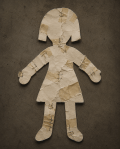
Some days
I imagine my body
held together with medical tape—
the kind that curls at the edges
after carrying too much
for too long.Other days,
it feels like glue,
desperately trying to bond
what pain keeps pulling apart.A few places are stitched,
not with thread a surgeon could see,
but with quiet promises:Just make it through this hour.
Just make it to tomorrow.
Just don’t give up.
There are mornings
I swear I can hear the staples
holding my spirit together,
their sharp edges digging in
just enough to keep
everything from spilling out.I laugh to myself sometimes,
because if anyone could see
the blueprint of my body,
they might wonder how I am still standing.Tape over joints.
Glue over grief.
Stitches across disappointment.
Staples through exhaustion.
A patchwork of repairs
that were never meant to last,
yet somehow
carry me another day.But the truth is,
those aren’t the strongest things
holding me together.Hope
is woven through every seam.Resilience
is the thread that refuses to snap,
even after being stretched
a thousand times too far.Determination
is the knot tied at the end of every stitch,
whispering,“Not today.”
Self-compassion
is the gentle hand
that replaces worn tape
instead of criticizing it.Love—
from those who stay,
from those who understand,
from those who simply believe me—
is the glue
that never quite loses its hold.And courage…
Courage is the invisible cast
wrapped around a heart
that has cracked more times
than anyone will ever know.Living with chronic illness
means becoming an artist
of impossible repairs.Learning to rebuild yourself
with materials no one else can see.Fashioning strength
from sleepless nights.Making armor
out of vulnerability.Turning survival
into an everyday craft.So if today
I look a little weathered,know that I am held together
by tape and tenderness,
by glue and grace,
by stitches and stubbornness,
by staples and small victories,
by resilience that refuses to surrender,
and by hope—
that quiet, relentless hope—
which has become the strongest thing
keeping every scattered piece of me
beautifully,
bravely,
together.
- Gratitude In The Fire

Some days,
gratitude feels impossible.It feels like a cruel word
whispered into rooms
filled with pill bottles,
heating pads,
doctor appointments,
and pain that never seems
to clock out.Some days,
my body is a battlefield,
and I am tired of being
both the soldier
and the wounded.I am tired of measuring life
in symptoms,
in spoons,
in what I had hoped to do
versus what I could survive.And yet—
amidst the wreckage,
gratitude still appears.Not because the pain is good.
Not because the illness
has taught me lessons
I wanted to learn.Not because I would choose
this life.But because even here,
there are still things
the darkness cannot take.A friend’s message
arriving at the exact moment
I need it.A blanket fresh from the dryer.
The warmth of sunlight
spilling across my bed
on a morning I cannot leave it.The hands that help me carry
what has become too heavy.The people who stay.
The moments of laughter
that somehow break through
the noise of suffering.The tiny hours
when symptoms loosen their grip
and I remember what relief
feels like.Gratitude does not erase
the hell of chronic illness.It does not heal joints,
silence pain,
or give back the years
that have been stolen.But it plants small lanterns
along a road
that often feels impossibly dark.And when the night is long,
those lanterns matter.So I gather them.
The tiny blessings.
The fleeting joys.
The stubborn acts of love.I gather them with trembling hands
and place them beside my grief.Because gratitude and suffering
have never been enemies.They sit together,
side by side,
sharing the same fragile heart.And somehow,
in the middle of all this pain,
I am still able to say:This is hard.
This hurts.
This is not the life I planned.And still—
thank you for the people who love me.
Thank you for the strength
to face another day.Thank you for every small spark
that survives the storm.Thank you for the hope
that keeps flickering,
even here.Especially here.
- Holding Hope Through the Flare

Hope is a strange thing during a flare.
It does not arrive like a sunrise,
bold and golden,
chasing away every shadow.Sometimes hope is smaller than that.
Sometimes hope is the decision
to take the next breath
when your body feels like a battlefield.Sometimes it is the glass of water
on the nightstand,
the heating pad,
the medication,
the text message unanswered but read.Sometimes hope is simply staying.
A severe flare can make the world feel very small.
Pain narrows horizons.
Fatigue steals tomorrow.
Symptoms whisper lies:
This is forever.
You will never feel better.
You are losing yourself.But flares are storytellers,
and not always truthful ones.The body in crisis speaks with a voice
amplified by suffering,
turning moments into eternities.Yet somewhere beyond the storm,
there is the memory of gentler days.Days when your laughter came easier.
Days when your body loosened its grip.
Days when you caught your breath
and remembered what relief felt like.Those days are evidence.
Not a promise that everything will be fixed.
Not a guarantee of healing.Just proof that this moment
is not the only chapter
your life has ever known.When the flare is at its worst,
do not ask yourself to carry hope for a year,
or a month,
or even tomorrow.Carry it for five minutes.
Then five more.
Let hope become small enough
to fit in your trembling hands.Hope can be the belief
that you will make it through today.That your worth remains intact
even when your body cannot do what you wish.That rest is not failure.
That surviving is enough.
That the person you are
still exists beneath the pain.The flare may be loud,
but it is not your entire story.The storm may be fierce,
but it is not the sky.And even when you cannot see the light,
even when exhaustion has dimmed every certainty,
hope remains—a tiny lantern in shaking hands,
flickering,
fragile,
yet refusing to go out.
- Holding Onto Hope: Tips and Tricks for Living Well with Chronic Illness and Chronic Pain

Hope can be a difficult thing to hold onto when you live with chronic illness and chronic pain.
Some days, hope feels natural. You wake up with manageable symptoms, accomplish a few things on your to-do list, and feel connected to the people and activities you love. Other days, hope can feel impossibly far away. Pain flares, exhaustion settles in, plans are canceled, and it becomes hard to imagine things ever getting better.
If you’ve ever found yourself wondering how to keep going when your body feels like it is working against you, you are not alone. While hope does not eliminate illness or pain, it can help us navigate the challenges that come with them. Here are some practical ways to nurture hope, even on the hardest days.
1. Focus on Today, Not Forever
One of the most overwhelming aspects of chronic illness is its uncertainty. When symptoms are severe, it is easy to spiral into questions about the future.
Instead of asking yourself how you will survive the next month, year, or decade, try focusing on today.
Ask yourself:
- What do I need right now?
- What is one thing I can do to care for myself today?
- What is one small thing I can look forward to?
Taking life one day at a time can make difficult seasons feel more manageable.
2. Celebrate Small Victories
When living with chronic illness, success often looks different than it once did.
Maybe your victory today is taking a shower, making a phone call, preparing a meal, or simply getting out of bed.
These accomplishments matter.
Celebrating small victories helps train your mind to recognize progress instead of only focusing on limitations.
3. Build a Supportive Community
Hope grows best when it is shared.
Whether it’s family, friends, online support groups, therapists, faith communities, or fellow “zebras,” surrounding yourself with people who understand your struggles can make a tremendous difference.
Connection reminds us that we are not carrying our burdens alone.
4. Allow Yourself to Grieve
Many people believe that hope means staying positive all the time.
It doesn’t.
Hope and grief can coexist.
Living with chronic illness often means grieving lost opportunities, changing identities, strained relationships, and altered dreams. Giving yourself permission to acknowledge these losses can actually make room for genuine hope to grow.
Ignoring grief doesn’t make it disappear. Processing it helps us heal.
5. Find Meaning Beyond Your Symptoms
Chronic illness can consume enormous amounts of time, energy, and attention.
Whenever possible, invest energy in things that remind you that you are more than your diagnosis.
This might include:
- Creative hobbies
- Writing
- Music
- Reading
- Volunteering
- Spiritual practices
- Advocacy work
- Spending time with loved ones
Your illness may affect your life, but it is not the entirety of who you are.
6. Keep a Hope Journal
On difficult days, our minds often forget evidence that better moments exist.
Consider keeping a journal where you record:
- Good symptom days
- Encouraging messages
- Meaningful moments
- Things that made you smile
- Accomplishments, no matter how small
When despair feels overwhelming, these reminders can help ground you in the reality that difficult moments are not the whole story.
7. Practice Self-Compassion
Many people living with chronic illness hold themselves to impossible standards.
We criticize ourselves for resting.
We feel guilty for needing help.
We compare ourselves to healthier versions of ourselves or to other people.Hope thrives when we replace criticism with compassion.
Speak to yourself the way you would speak to a loved one who was suffering.
Your body is carrying a heavy burden. It deserves kindness.
8. Remember That Symptoms Change
One of the hardest parts of chronic illness is that symptoms often fluctuate.
While this uncertainty can be frustrating, it also means that today’s flare is not necessarily forever.
There will likely be difficult days ahead. But there may also be gentler days, unexpected joys, moments of connection, and experiences worth staying for.
Pain can be powerful, but it cannot predict the future.
Final Thoughts
Hope is not pretending that everything is okay.
Hope is choosing to believe that even within pain, life can still contain beauty, meaning, connection, and purpose.
Hope is resting when your body demands it and believing you are still valuable.
Hope is asking for help when you need it.
Hope is surviving today without requiring yourself to have all the answers about tomorrow.
Most of all, hope is remembering that your worth has never depended on your productivity, your physical abilities, or the state of your health.
You are more than your illness.
And even on the days when hope feels small and fragile, it is still enough to carry you forward one step at a time.
- A Few Good Hours
This morning,
my body loosened its grip.The ache stepped back,
the fatigue softened,
and for a few precious hours
I remembered who I am
beneath the symptoms.I moved through the day
without calculating every step,
without measuring every ounce of energy,
without wondering
what pain would demand of me next.For a little while,
I felt free.Hope rushed in too quickly.
I began making plans,
dreaming of possibilities,
imagining a life not ruled
by limitations and flares.I thought,
Maybe today is different.But chronic illness is often cruel
in the way it gives and takes.The pain returned
without warning.A familiar ache became a roar.
The exhaustion settled heavily in my bones.
The body that felt like an ally this morning
became a battlefield again by evening.And the grief wasn’t only for the pain.
It was for the glimpse.
The glimpse of what life could be.
The glimpse of who I could be
if my body did not constantly pull me backward.There is a special kind of heartbreak
in feeling well enough to remember
everything you are missing.A few good hours can feel like a gift,
but sometimes they feel like a loss too—
a reminder of a life that remains
just beyond reach.I sit with the frustration,
the anger,
the despair of watching the door open
only to have it slam shut again.Yet even here,
in the disappointment,
those few hours still matter.They are proof that beneath the pain,
beneath the exhaustion,
beneath all the ways illness tries to define me,I am still here.
The person who laughed this morning,
who felt light,
who felt hopeful—she did not disappear when the symptoms returned.
She is waiting.
And though I cannot control
when the next good hour will come,I hold on to the memory of this one,
a small flame against the darkness,
a reminder that even when pain returns,
it is not all that I am.
- The Empty Chair

Chronic illness does not only take from the body.
It takes from the spaces between people.
It is the empty chair at the gathering,
the text left unanswered because exhaustion won,
the invitation declined for the tenth time,
the friendship slowly fading beneath the weight
of “maybe next time.”It is standing at the edge of the world,
watching life unfold through a window,
hearing laughter from a room
your body cannot enter.I have mourned more than health.
I have mourned shared dinners,
inside jokes,
spontaneous road trips,
long conversations that stretched past midnight,
the simple comfort of being expected somewhere.Illness teaches a strange kind of loneliness.
You can be surrounded by people
and still feel oceans away.You can be deeply loved
and still ache for the version of connection
that pain, fatigue, and limitations
have stolen from your hands.Sometimes belonging feels like a country
I once lived in
but no longer have a map to reach.I watch others move so easily
between gatherings and celebrations,
forming memories I was never there to make.And some days,
that grief settles heavily in my chest—
not because I want a different life,
but because I miss being part
of the one still moving around me.Yet even here,
in the quiet places illness has left behind,
I have learned something about belonging.It is not measured by how many rooms I enter,
how many plans I keep,
or how often I can show up.It is found in the people
who save me a seat anyway.The ones who text again.
Who understand “I can’t” is not “I don’t care.”
Who sit beside me in the silence
without asking me to become someone stronger,
healthier,
or less complicated.They remind me that belonging
is not earned through productivity
or presence.It is given through love.
And though illness has taken many things,
and though some losses still break my heart,there are hands that continue to reach for mine,
voices that still call my name,
and places where my weary soul
is welcomed exactly as it is.Perhaps that is what belonging truly means:
not never being left behind,
but being loved enough
that someone keeps looking back
to make sure you are still part of the journey. - Learning To Trust

There are days
when my body feels like a stranger—a map that changes overnight,
a compass that spins without warning,
a bridge that trembles beneath my feet
when I need it most.I wake each morning
wondering which version of myself
will greet me.Will my legs carry me?
Will my joints stay where they belong?
Will pain whisper today,
or will it arrive shouting?Chronic illness teaches you
that certainty is fragile.Plans become penciled in.
Promises are made with an asterisk.
Hope learns to coexist
with hesitation.And slowly, without meaning to,
you begin to question your own body.You flinch at every new symptom.
You brace for every good day to end.
You wonder if every step forward
is only borrowing time.Trust becomes difficult
when the thing you live inside
has broken your heart so many times.But perhaps trust is not believing
that your body will never fail you.Perhaps trust is softer than that.
Perhaps it is learning to believe
that even when your body struggles,
you and your body are still on the same side.That the pain is not betrayal.
That the exhaustion is not weakness.
That the limitations are not a lack of effort.Your body is not your enemy.
It is a weary companion
fighting a battle you cannot always see,
carrying scars beneath the surface,
doing its best with impossible circumstances.And maybe trust begins there—
not in certainty,
but in compassion.Not in expecting perfection,
but in offering grace.Not in demanding more,
but in listening closely.So on the days
when fear speaks louder than faith,
when pain makes promises feel dangerous,
when your body feels unfamiliar once again,may you remember:
You are not at war.
You are two survivors—
you and your body—
finding your way through the storm together,learning, one gentle step at a time,
how to trust again.

