For those living with rare chronic illnesses like Ehlers-Danlos Syndrome, the journey toward answers is often not a straight path. It becomes a maze of appointments, dismissals, uncertainty, and exhaustion. While medicine has achieved extraordinary advances in technology, surgery, and treatment, many people with rare diseases continue to fall into the cracks of a system that was never designed with them in mind.
The betrayal many patients feel is not born from a lack of effort by every individual clinician. Many healthcare professionals deeply care and work tirelessly for their patients. The problem is larger than any one doctor—it is a systemic issue. It is a system that often struggles to recognize what it does not frequently see.
The Cost of Being Rare
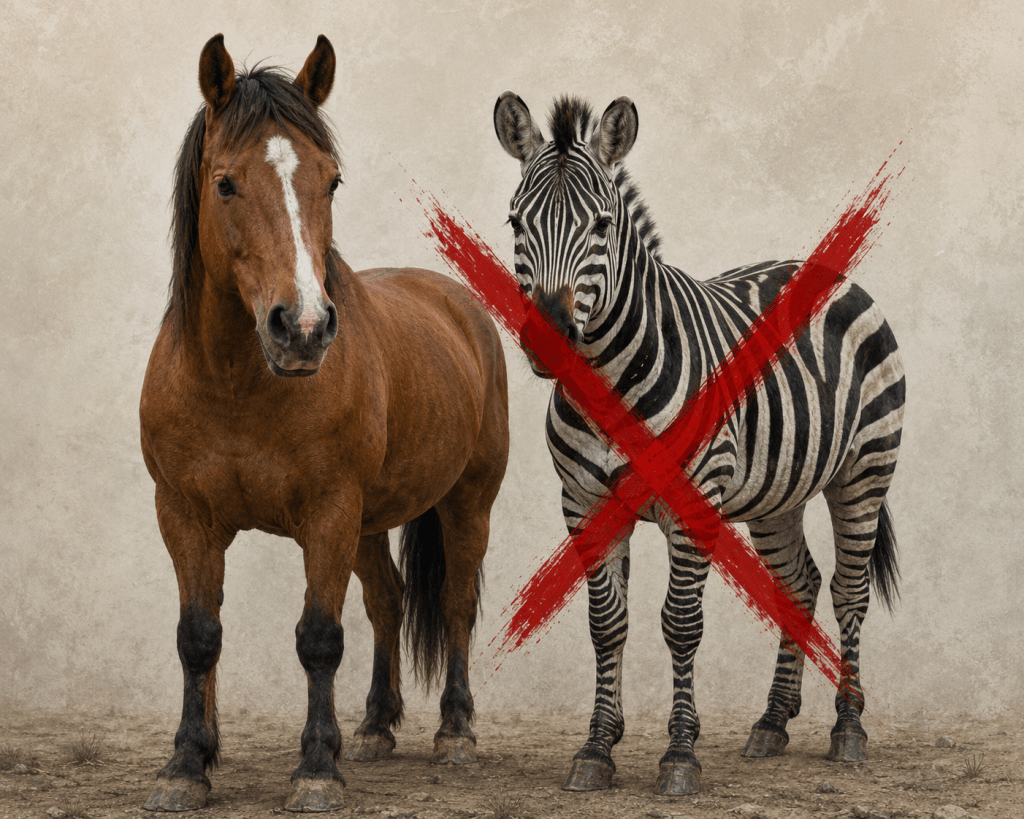
Medical education tends to emphasize common conditions first. Physicians are often taught to think, “When you hear hoofbeats, think horses, not zebras.” In medicine, zebras represent rare conditions.
Ironically, the zebra has become a symbol for Ehlers-Danlos Syndrome because people living with it know firsthand what happens when healthcare providers stop looking after the first horse appears.
Many individuals with EDS and other rare illnesses spend years—sometimes decades—searching for a diagnosis. Symptoms may begin early: chronic pain, fatigue, dizziness, gastrointestinal problems, unstable joints, frequent injuries, unexplained symptoms that seem disconnected from one another. Instead of seeing pieces of a larger picture, patients are often sent from specialist to specialist, each examining only one fragment.
By the time answers arrive, patients have often accumulated more than symptoms. They have accumulated grief.
Grief for missed opportunities.
Grief for years spent wondering whether they were imagining their pain.
Grief for the damage caused by delayed diagnosis.
When Patients Become Detectives
Many people with rare illnesses eventually become experts on their own conditions—not because they wanted to, but because they had to.
Patients frequently enter appointments carrying research articles, symptom journals, lists of questions, and detailed histories. Some know more about the daily realities of their rare condition than providers who may have encountered it only briefly in training.
Yet too often, self-advocacy is interpreted as anxiety or internet-driven misinformation rather than survival.
Patients hear phrases like:
“You’re too young for this.”
“Your labs look normal.”
“Stress can cause many symptoms.”
“Maybe it’s anxiety.”
Mental health matters and can absolutely affect physical well-being. But psychological explanations should not become a convenient exit door when answers are difficult to find.
Because being medically dismissed can leave wounds that are invisible but lasting.
Delayed Diagnosis Is Not Just an Inconvenience
When diagnosis is delayed, treatment is delayed.
People may continue activities that worsen injuries because they do not understand what their bodies are experiencing. They may miss accommodations at school or work. They may lose financial stability, relationships, independence, and trust in healthcare itself.
Delayed diagnosis also creates a dangerous cycle: the longer symptoms continue without explanation, the more likely patients are to be labeled as difficult, anxious, or complex.
Complex should not mean ignored.
What Needs to Change
Progress requires more than awareness ribbons and social media posts once a year.
We need:
- Greater education about rare diseases during medical training.
- Increased funding for research into understudied conditions.
- Faster pathways to specialty care.
- Better interdisciplinary care that treats the whole person rather than isolated symptoms.
- Stronger partnership between clinicians and patients.
- A culture that values listening as much as testing.
Because sometimes the patient who has spent years living in their body may hold an important piece of the answer.
Listening Saves People
Perhaps the deepest betrayal is not delayed diagnosis itself.
It is when patients begin doubting their own reality.
People living with rare chronic illness are often forced to spend years proving they are hurting, proving they are exhausted, proving they deserve help.
No one should have to audition for compassion.
The medical field is capable of incredible things. It saves lives every day. But true healing requires more than knowledge—it requires curiosity, humility, and listening long enough to notice the zebras standing in plain sight.
Because behind every chart is a human being waiting for someone to believe them.
 Zebra Seeking Spoons
Leave a comment