When you live with a chronic illness, it can slowly begin to feel like it has swallowed every part of your life.
Doctor’s appointments replace social outings.
Symptoms become the first thing you think about every morning.
Medications line your bedside table.
Your calendar revolves around flares, treatments, and recovery days.
Eventually, you may find yourself wondering:
“Who am I beyond all of this?”
It’s a question many of us ask.
The truth is this:
Your illness is something you have. It is not all that you are.
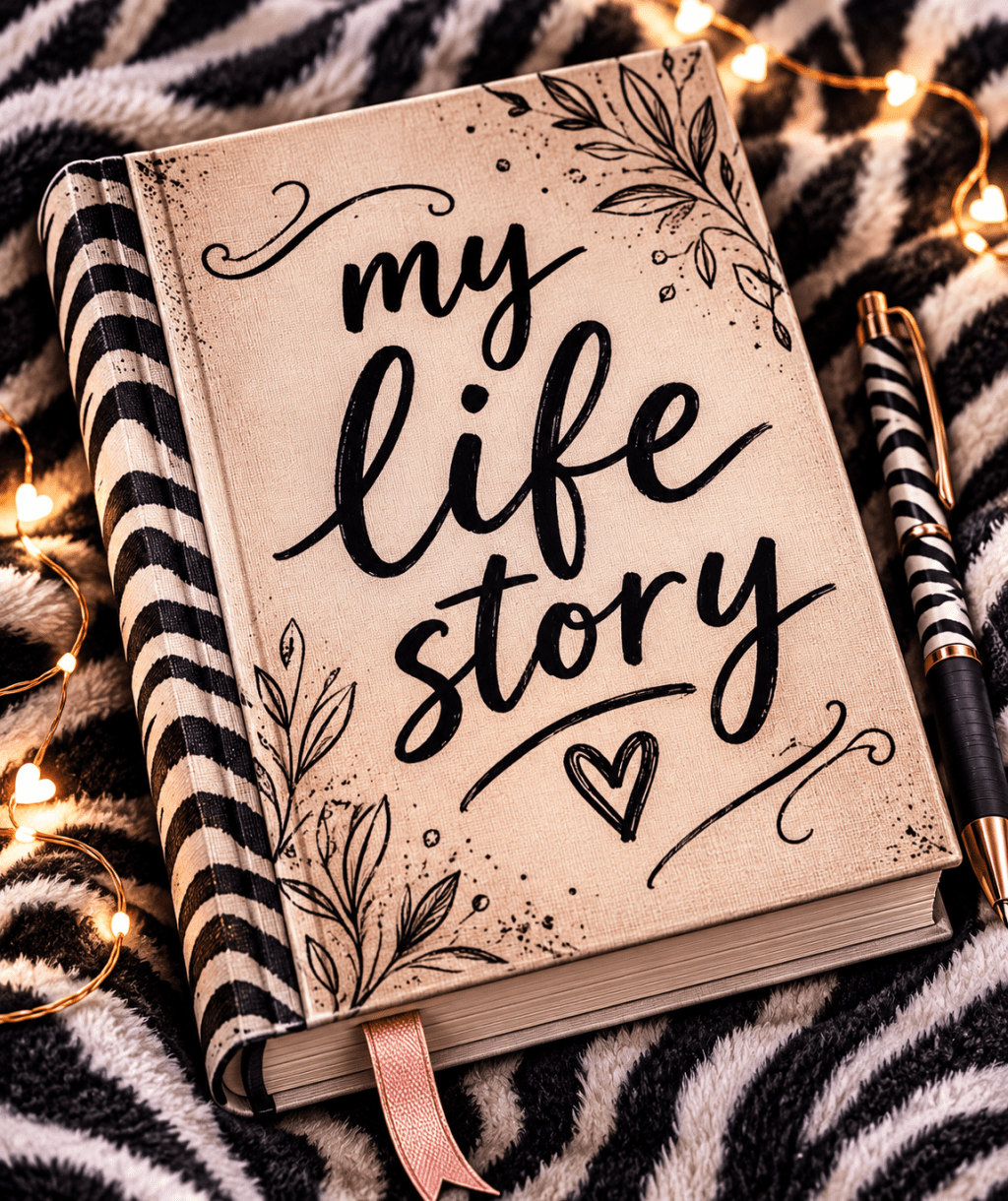
Your diagnosis may shape your journey, but it should never be the only thing that defines your story.
Why Chronic Illness Can Become Your Identity
Chronic illness demands attention.
Pain interrupts conversations.
Fatigue changes plans.
Medical appointments consume time.
Symptoms dictate daily decisions.
When your illness influences almost everything you do, it makes sense that it can begin to feel like your entire identity.
Others can unintentionally reinforce this too.
People may stop asking about your hobbies and instead ask only, “How are you feeling?”
You may become “the sick friend,” “the spoonie,” or “the one with EDS.”
While these labels may describe part of your experience, they never describe the whole of who you are.
Remember Who You Were—and Who You’re Still Becoming
Illness changes lives.
It may change your career, your abilities, or your plans.
But it doesn’t erase your personality.
You are still the person who laughs too loudly at bad jokes.
The one who loves books.
The one who sings in the car.
The artist.
The gardener.
The sister.
The friend.
The dreamer.
The advocate.
Some parts of you may have changed.
Others are simply waiting for opportunities to shine again.
And new parts of you may still be waiting to be discovered.
Practical Ways to Keep Your Identity Bigger Than Your Illness
1. Continue investing in what brings you joy
Your hobbies may need to look different than they once did.
Perhaps you paint from bed instead of standing at an easel.
Maybe you write in short bursts instead of for hours.
Maybe your walks have become wheelchair rides through a park.
The activity doesn’t have to look the same to still belong to you.
2. Talk about more than your symptoms
It’s okay to share honestly about your health.
But also give yourself permission to talk about your favorite movie, the book you’re reading, your pets, your family, your dreams, or something that made you smile today.
Your conversations deserve variety because your life has variety.
3. Celebrate your strengths
Chronic illness often highlights what we’ve lost.
Make space to notice what remains.
Maybe you’re compassionate because of what you’ve endured.
Maybe you’re an incredible listener.
Maybe you’re creative, resilient, thoughtful, funny, or deeply empathetic.
Those qualities matter just as much as your diagnosis.
4. Create goals that aren’t health-related
It’s natural to focus on improving your health.
But your entire future shouldn’t revolve around medical milestones.
Set goals like:
- Reading ten books.
- Learning a new skill.
- Writing poetry.
- Starting a garden.
- Taking photographs.
- Strengthening friendships.
- Volunteering for a cause you love.
These goals remind you that life continues alongside illness.
5. Build relationships where you’re seen as a whole person
Spend time with people who ask about your heart—not just your health.
The people who laugh with you, dream with you, and celebrate your accomplishments help remind you that you are so much more than your diagnosis.
6. Give yourself permission to rest without guilt
Rest isn’t who you are.
It’s something your body needs.
There is a difference.
Needing rest doesn’t make you lazy.
Needing accommodations doesn’t make you weak.
Your worth has never depended on your productivity.
It’s Okay If Illness Is Part of Your Story
Living with chronic illness changes you.
Pretending it doesn’t isn’t helpful.
Your illness may inspire your advocacy.
It may influence your writing.
It may deepen your compassion.
It may even become one of the reasons you connect so deeply with others.
There is nothing wrong with allowing your illness to become part of your story.
The problem only comes when it becomes the entire story.
Final Thoughts
You are not your diagnosis.
You are not your medication list.
You are not your pain score.
You are not your mobility aid.
You are not your limitations.
You are a whole person with gifts, passions, relationships, dreams, humor, wisdom, and purpose.
Your chronic illness may always travel beside you.
But it doesn’t get to write your entire story.
Because your illness is one chapter.
You are the whole book.


Leave a Reply